Why Are Solar Panels So Expensive?
Contact Solar Cincinnati
We will get back to you as soon as possible.
Please try again later.
Solar panels have become a prominent symbol of renewable energy, offering homeowners an opportunity to reduce utility bills, increase property value, and contribute to a cleaner environment. However, a common question that arises when considering solar installations is, "Why are solar panels so expensive?" At Solar Cincinnati, we understand that the initial investment can seem daunting. In this comprehensive guide, we explore the myriad factors that contribute to the cost of solar panels, explain the technology behind them, and demonstrate why the expense is justified when considering long-term savings and environmental benefits. This in-depth analysis will help you understand the true value behind the price of solar panels and why they are a smart investment for your home.
The Complexity of Solar Panel Technology
One of the primary reasons solar panels come with a high price tag is the sophisticated technology that makes them work. Solar panels convert sunlight into electricity through the photovoltaic (PV) effect, a process that involves advanced semiconductor materials—most commonly silicon. The production of high-efficiency solar cells is an intricate, energy-intensive process that requires a high level of precision. Manufacturers must purify silicon to an extremely high degree, form it into ingots, and then slice it into thin wafers. Each of these steps involves complex machinery, controlled environments, and strict quality control measures. The technological innovation required to achieve high conversion efficiencies and long-lasting performance contributes significantly to the overall cost of solar panels.
High-Quality Materials and Advanced Manufacturing
The materials used in solar panels are critical to their efficiency and longevity, and high-quality materials naturally come at a higher cost. Premium panels, especially those made from monocrystalline silicon, are known for their superior performance compared to polycrystalline panels. Monocrystalline panels are more efficient because they allow electrons to flow more freely, resulting in greater energy output per square foot. The higher purity of silicon and the more refined manufacturing processes required to produce these panels drive up production costs. Additionally, the glass, encapsulants, and backsheet materials used to protect the delicate cells are selected for durability and longevity, ensuring that the panels can withstand the harsh conditions of long-term outdoor exposure. The investment in these high-grade materials is reflected in the price, but it also translates into panels that can deliver reliable performance for 25 to 30 years or more.
Labor and Installation Costs
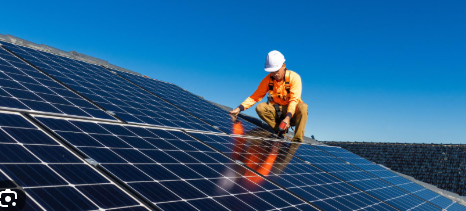
Beyond the panels themselves, a substantial portion of the cost of a solar energy system is associated with installation. The process of installing solar panels involves more than simply attaching them to your roof. It requires a comprehensive site assessment, system design, securing necessary permits, and adhering to local building codes and safety regulations. The labor involved in mounting the panels, wiring them to inverters, and integrating them with your home’s electrical system is both skilled and time-intensive.
The complexity of your roof significantly influences these costs. A home with a simple, south-facing roof with minimal shading will typically incur lower installation expenses than a property with a more complex roof design, multiple angles, or obstructions such as chimneys and skylights. In Ohio, where weather conditions can be challenging—from heavy snowfall in winter to intense summer heat—professional installation is critical to your electricity costs and ensure that your system is both safe and efficient. Solar Cincinnati prides itself on having experienced installation teams who work meticulously to optimize each installation while keeping costs under control.
Ancillary Components and System Integration
The cost of solar panels is not limited to the panels and installation alone; it also includes several ancillary components that are essential for a fully functioning system. Inverters, for example, play a critical role in converting the direct current (DC) produced by the panels into alternating current (AC) that can be used in your home. High-quality inverters with advanced features, such as maximum power point tracking (MPPT) and real-time power monitoring, add to the overall cost but significantly enhance system performance and efficiency.
Other components, including mounting hardware, wiring, and, in some cases, battery storage systems, further contribute to the total investment. While these additional elements increase the system size and initial expense, they provide vital functionality that ensures your system operates optimally over its lifetime. Investing in these high-quality components not only boosts the performance of your solar panels but also reduces maintenance needs and prolongs the system’s durability.
The Role of Research and Development
A considerable portion of the cost associated with solar panels comes from the research and development (R&D) efforts required to improve the technology. Solar energy is a rapidly evolving field, and manufacturers invest heavily in R&D to develop more efficient, durable, and cost-effective solar panels worth make. This investment in innovation drives technological breakthroughs that lead to better performance and lower long-term costs for consumers. However, these R&D expenses are factored into the price of solar panels. The significant research behind improving photovoltaic efficiency, reducing production costs, and extending the lifespan of solar panels is a testament to the advanced engineering that underpins every solar energy system.
Environmental Regulations and Quality Control
Manufacturers of solar panels operate under stringent environmental and quality control regulations. These standards ensure that the panels are not only efficient but also safe and environmentally friendly. The rigorous testing and certification processes, along with adherence to industry standards, add to the production costs. High-quality solar panels must meet or exceed a series of performance and durability benchmarks, which require investment in advanced testing equipment and skilled labor. While these regulations contribute to a higher price, they also guarantee that the panels will perform reliably for decades, providing peace of mind and a robust return on investment.
Market Dynamics and Global Supply Chains
The price of solar panels is also affected by market dynamics and the global supply chain. Fluctuations in the cost of raw materials, such as high-purity silicon, and variations in energy costs during manufacturing can lead to changes in solar panel pricing. Additionally, global demand for solar panels has surged in recent years, leading to economies of scale that have helped reduce per-unit costs. However, factors such as tariffs, trade policies, and geopolitical tensions can sometimes disrupt supply chains and temporarily increase prices. In Ohio, local installers like Solar Cincinnati are well-positioned to navigate these challenges by leveraging competitive local markets and fostering strong relationships with suppliers, ensuring that our customers receive the best possible pricing without compromising on quality.
Government Incentives and Financial Benefits
Despite the high upfront costs, government incentives play a significant role in making solar panels more affordable. Programs such as the Federal Investment Tax Credit (ITC) allow homeowners to deduct a substantial portion of their solar installation costs from their federal taxes. In addition to federal incentives, many states, including Ohio, offer state-level rebates and local utility incentives that further reduce the net cost of solar energy systems. These incentives can lower the overall investment by as much as 30% to 40%, effectively bringing down the price and making solar energy a more attractive option for homeowners.
These financial incentives not only reduce the initial expense of solar panel installation but also shorten the payback period. Homeowners can often see a return on their investment within five to seven years, after which the energy produced by the solar panels contributes directly to savings. Over the lifespan of the system, which can be 25 to 30 years or more, the cumulative savings on energy bills can amount to tens of thousands of dollars, making the investment not only environmentally responsible but also financially sound.
Return on Investment: The Long-Term Value of Solar Panels
The long-term return on investment (ROI) is one of the most compelling reasons why solar panels, despite their high upfront cost, are a smart financial decision. When evaluating ROI, it is important to consider the total cost of ownership, which includes the initial investment, maintenance, and any additional costs, as well as the long-term savings generated by reduced utility bills. Modern solar panels are designed to operate efficiently for decades, and once the system has paid for itself, the electricity generated is essentially free.
In addition to direct energy savings, installing solar panels can increase the resale value of your home. Energy-efficient homes are in high demand, and properties with solar installations often command a premium in the real estate market. This added value, combined with predictable energy costs and environmental benefits, makes solar panels a worthwhile investment even if the initial price seems high.
Addressing Common Misconceptions
Many homeowners wonder why solar panels are so expensive when there are cheaper alternatives available. It is important to understand that the higher cost of solar panels reflects the advanced technology, high-quality materials, and rigorous quality control required to ensure long-term performance. Cheaper alternatives may not provide the same level of efficiency or durability, leading to lower energy production and potentially higher maintenance costs over time.
Another common misconception is that the high upfront cost is not offset by long-term savings. In reality, solar panels offer substantial energy savings, and with government incentives and financing options, the net cost is significantly reduced. Over the lifespan of the system, the cumulative savings on energy bills far exceed the initial investment, making solar panels a smart, sustainable choice for homeowners.
The Future of Solar Panel Costs
The solar industry is continually evolving, and ongoing research and technological advancements by solar companies are expected to drive down costs further. Innovations in photovoltaic cell design, improvements in manufacturing processes, and enhanced energy storage solutions are all contributing to lower per-watt costs. As these trends continue, the price of solar panels is likely to decrease, making solar energy even more accessible to homeowners in Ohio and beyond.
In addition, the expansion of government incentives and increased market competition will further reduce costs over time. As more homeowners adopt solar energy, economies of scale will come into play, driving down prices and improving the overall return on investment. This positive trajectory suggests that while solar panels may currently seem expensive, they are becoming more cost-effective with each passing year.
How Solar Cincinnati Can Help You Navigate Solar Costs
At Solar Cincinnati, we are dedicated to helping Ohio homeowners understand the true cost of solar panels and make informed decisions about their renewable energy investments. Our team of experts provides personalized consultations and comprehensive site assessments to evaluate your home’s specific energy needs, roof orientation, shading, and other critical factors that influence the overall cost of your solar installation. We design custom solar systems that maximize efficiency and deliver long-term savings while ensuring that your investment is tailored to your unique circumstances.
We also guide you through the complexities of financing solar project and government incentives, ensuring that you take full advantage of programs such as the Federal Investment Tax Credit (ITC) and state and local rebates. Our goal is to reduce your net investment and shorten the payback period, making solar energy an affordable and attractive option for homeowners in Ohio.
With our deep understanding of the local market and commitment to quality service, Solar Cincinnati is a trusted partner for homeowners seeking to transition to renewable energy. We are dedicated to delivering solutions that not only meet your energy needs but also provide a strong return on investment over the long term.
The Broader Impact of Solar Energy
Investing in solar panels is not only a financial decision but also a commitment to environmental stewardship. Solar panels generate clean, renewable energy without emitting greenhouse gases or pollutants during operation. By reducing your reliance on fossil fuels and power grid, you contribute to improved air quality and help mitigate the effects of climate change. This environmental benefit adds significant value to your solar investment and supports a more sustainable future for your community.
Moreover, the adoption of solar energy promotes energy independence. Generating your own electricity shields you from the volatility of traditional energy markets and rising utility rates. This independence provides stability and predictability, which are increasingly important in today’s uncertain economic climate.
Real-World Success Stories from Ohio
Across Ohio, numerous homeowners have experienced the benefits of solar energy firsthand. Many have reported dramatic reductions in their monthly utility bills and significant increases in their property values following a solar installation. For instance, one homeowner installed a solar energy system costing around $20,000 before incentives and saw their energy bills drop by nearly 50%, resulting in a payback period of under seven years. Over the solar panel system’s 25 to 30-year lifespan, the savings accumulated to tens of thousands of dollars, validating the financial benefits of solar energy.
Other homeowners have noted that their solar installations not only lowered their energy costs but also made their homes more attractive to buyers. In competitive real estate markets, properties with solar panels often command higher resale prices due to the promise of lower operating costs and environmental benefits. These real-world examples underscore that while the upfront cost of solar panels may seem high, the long-term advantages make them a wise investment.
Addressing Common Concerns About High Costs
Despite the many benefits, some homeowners still question why solar panels are so expensive compared to other energy sources. The answer lies in the advanced technology, high-quality materials, and intricate manufacturing processes that are required to produce efficient and durable solar panels. Although the price per watt of most solar panels may be higher than that of less efficient alternatives, the overall performance and longevity of high-quality panels provide significant long-term value.
Another common concern is the potential for performance issues in less-than-ideal weather conditions. Modern solar panels are designed to perform reliably even under variable conditions, including cloudy skies and cold winters and wind down. The slight reduction in efficiency during overcast days is often offset by the overall reliability and long-term energy savings that solar panels provide. In this context, the initial expense should be seen as a necessary investment in high-quality, sustainable technology that will deliver consistent performance for decades.
The Future of Solar Panel Pricing
Looking ahead, the future of solar panel pricing is promising. Continued research and development in the field of photovoltaic technology, coupled with improved manufacturing processes, are expected to further drive down the cost of solar power per watt. As more homeowners adopt solar energy, economies of scale will contribute to even lower prices, making renewable energy increasingly competitive with traditional power sources.
Moreover, advancements in complementary technologies—such as high-efficiency inverters, smart energy management systems, and enhanced battery storage—will improve the overall performance of solar installations and reduce long-term maintenance costs. These trends suggest that while solar panels may currently appear expensive, their value will only continue to increase as technology evolves and market conditions improve.
Conclusion: Understanding the True Value of Solar Panels
In conclusion to the question "Why are solar panels so expensive?", the high cost of solar panels is the result of a combination of advanced technology, high-quality materials, intricate manufacturing processes, professional installation, and long-term maintenance considerations. While the upfront expense may be significant, it is important to view solar panels as a long-term investment that delivers substantial financial, environmental, and social benefits. Over the 25 to 30-year lifespan of your solar energy system, the cumulative savings on utility bills, increased property value solar tax credit, and environmental advantages far outweigh the initial costs.
Solar energy provides a stable, predictable source of electricity that protects you from the volatility of traditional energy markets and grid itself. With government incentives and flexible financing options available, the net cost of solar panels in Ohio is more manageable than ever before. As technological advancements continue to drive down costs and improve efficiency, the future of solar energy looks increasingly bright.
At Solar Cincinnati, we are committed to helping Ohio homeowners navigate the complexities of solar panel pricing and make informed decisions about their renewable energy investments. Our expert team provides personalized consultations, detailed site assessments, and customized financing solutions that are designed to maximize your long-term savings and energy independence. We are dedicated to delivering high-quality solar energy systems that offer a strong return on investment and contribute to a cleaner, more sustainable future.
If you are considering solar energy for your home, now is the perfect time to explore your options. Contact Solar Cincinnati today for a personalized consultation and discover how solar panels can transform your energy landscape, reduce your utility bills, and enhance your property value. Embrace the benefits of renewable energy and make an investment that not only saves you money but also contributes to environmental stewardship and long-term energy security.
The decision to invest in solar panels is more than just a financial choice—it is a commitment to a sustainable future. With Solar Cincinnati by your side, you can confidently navigate the costs and complexities of solar energy, knowing that your investment will provide reliable, clean, and cost-effective power for decades to come. The future of the clean energy here is bright, and with the right information and support, you can join the growing community of Ohio homeowners who are enjoying the many benefits of solar power.